Confucius Institute
Tribhuvan UniversityKirtipur, Kathmandu
Kirtipur, Kathmandu
CI@TU and the Institute of Foreign Affairs Launch Chinese Language Training for Nepali Diplomats
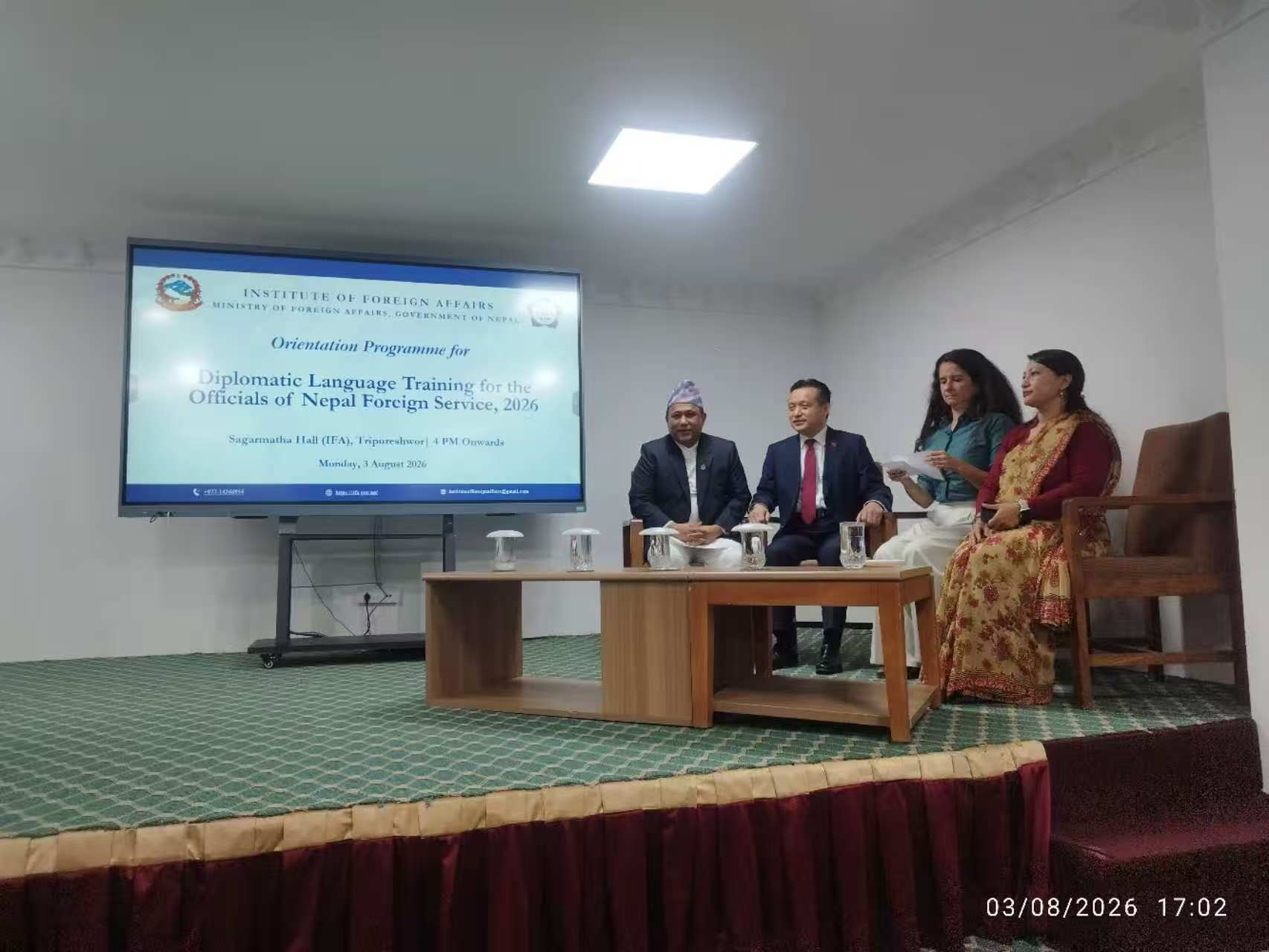
KATHMANDU, August 3, 2026 — The Confucius Institute at Tribhuvan University (CI@TU), in collaboration with the Institute of Foreign Affairs (IFA), Nepal, has launched a Chinese language training program for Nepali diplomats and officials of the Ministry of Foreign Affairs. The course forms part of IFA’s broader Diplomatic Language Training Program, aimed at strengthening the linguistic, intercultural and professional capabilities of Nepal’s foreign service personnel.
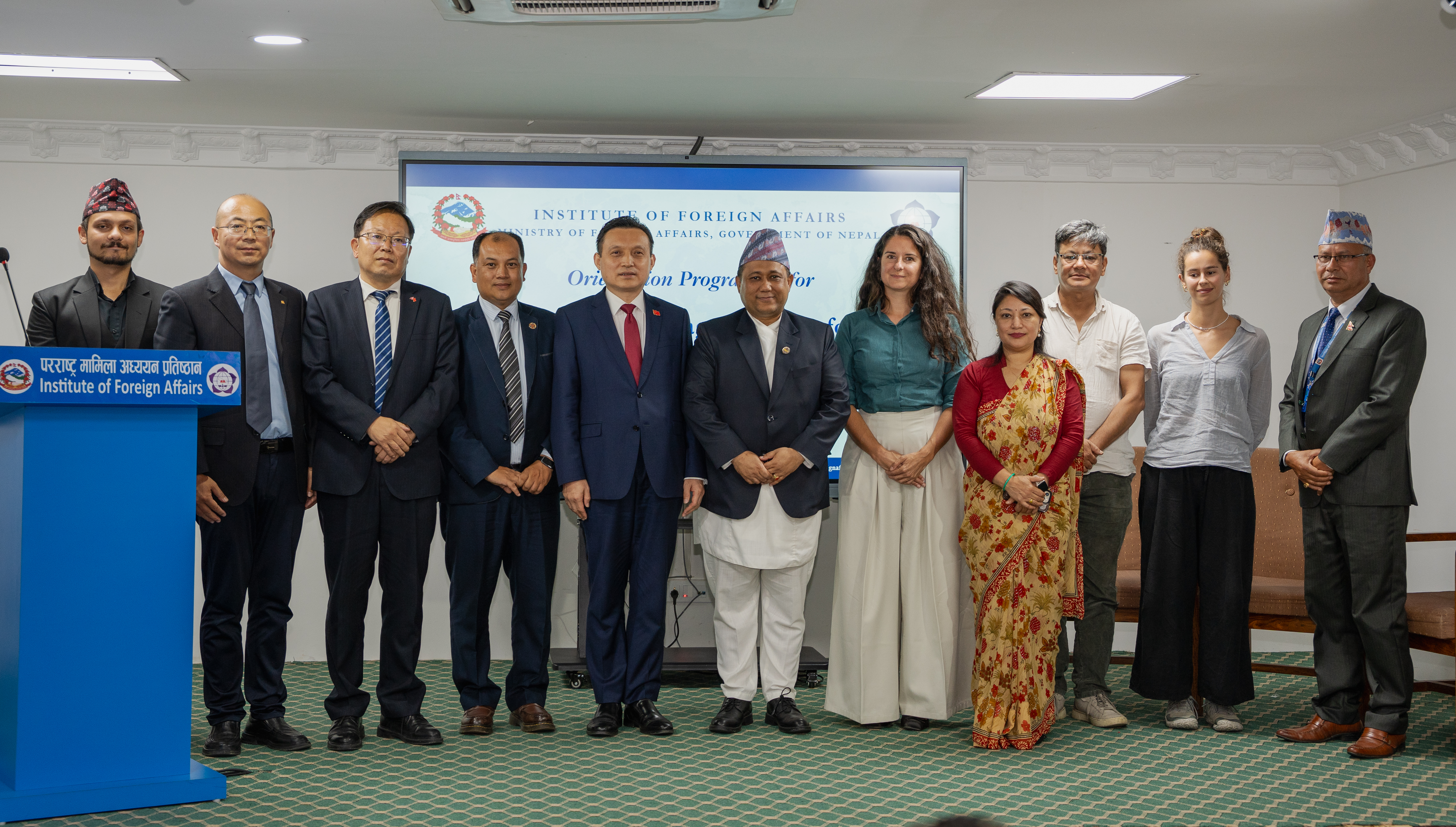
The program was formally introduced during an orientation held on August 3. Addressing the event as chief guest, Minister for Foreign Affairs Shishir Khanal underscored the importance of communication and language proficiency in diplomacy.
Minister Khanal noted that diplomats need to understand the societies, cultures and value systems of the countries with which they engage. Language, he said, helps them understand different national perspectives, communicate effectively and clearly present Nepal’s own position.
“Communication lies at the heart of diplomacy. Learning a new language broadens our perspectives and helps us build stronger relationships with people and communities around the world,” he said.
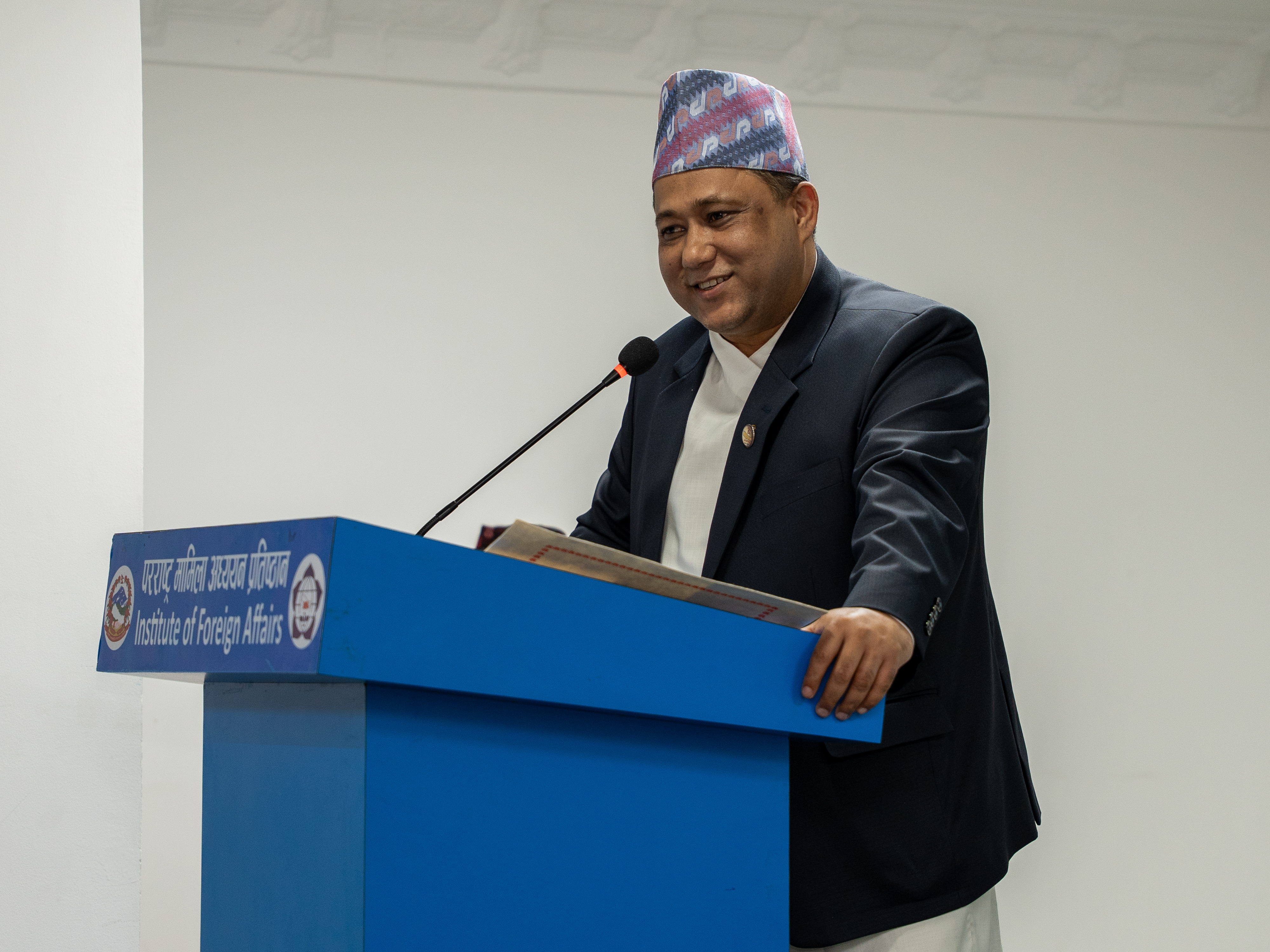
He emphasized that learning a foreign language goes beyond exchanging basic greetings; it strengthens diplomatic capacity and helps advance Nepal’s national interests. He encouraged participants to make full use of the training opportunity.
H.E. Zhang Maoming, Ambassador of the People’s Republic of China to Nepal, noted that Nepal–China relations have maintained steady growth since the establishment of diplomatic relations. He highlighted the growing importance of Chinese in international cooperation, exchanges among civilizations and global governance.
Ambassador Zhang described CI@TU as an important platform for Chinese language education and China–Nepal friendship. He encouraged participants to improve their Chinese, deepen their understanding of China and contribute to stronger bilateral relations and the building of a community with a shared future.
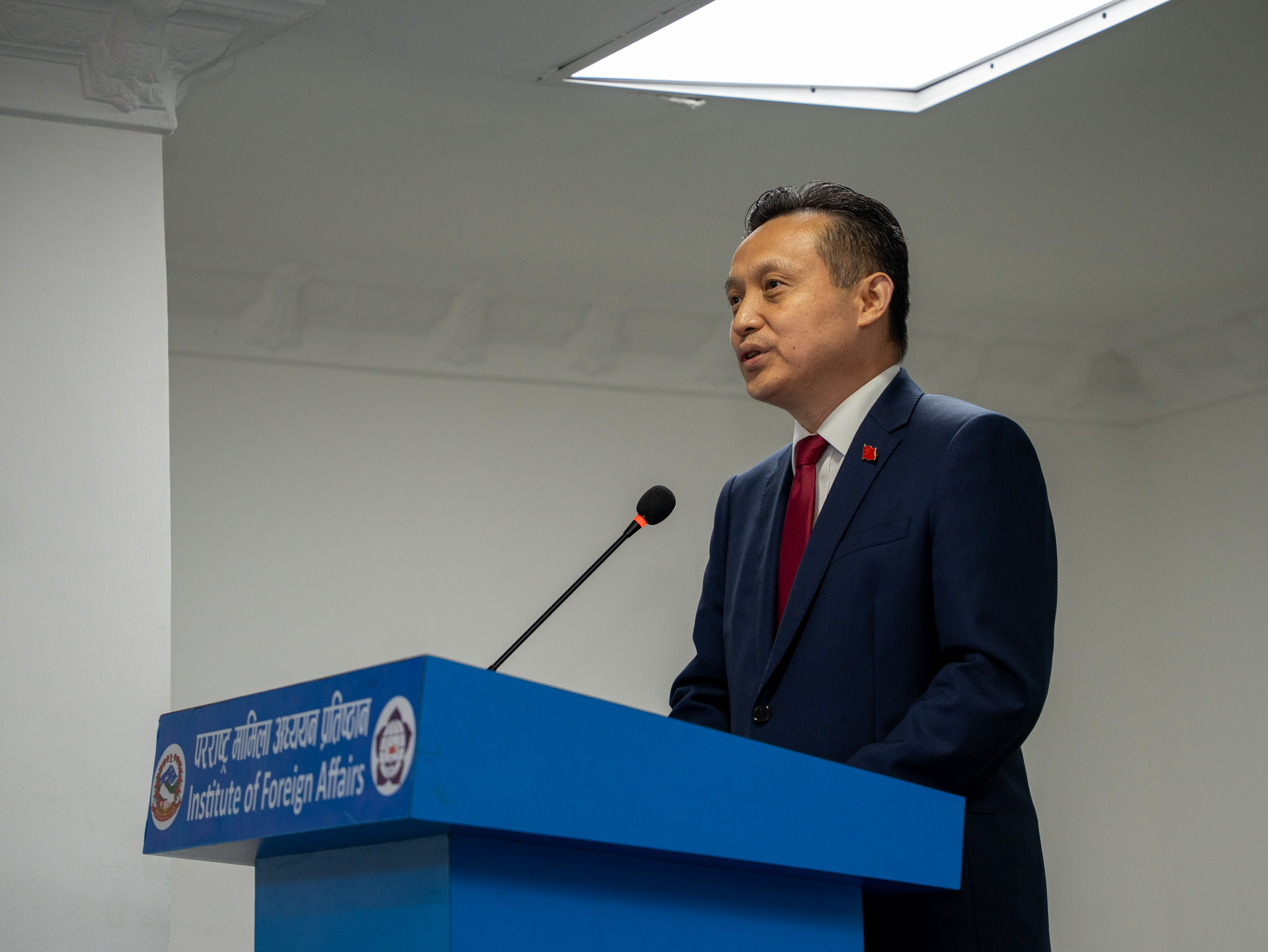
He also reaffirmed the Chinese Embassy’s continued support for Chinese language education, educational exchanges, personnel training and closer cultural and people-to-people ties between China and Nepal.
Dr. Bal Ram Duwal, Nepali Director of CI@TU, described the program as another important step in the Institute’s mission to promote Chinese language education and mutual understanding.
Designed around the concept of “Chinese Language + Diplomacy,” the program follows a “4+1” teaching model. Four classes focus on practical Chinese language skills, while the fifth provides an “Overview of China,” covering Chinese society, culture, governance, diplomacy and contemporary development.
Dr. Duwal expressed hope that the initiative would lead to further cooperation between IFA and CI@TU through advanced language training, academic exchanges, joint seminars and research.
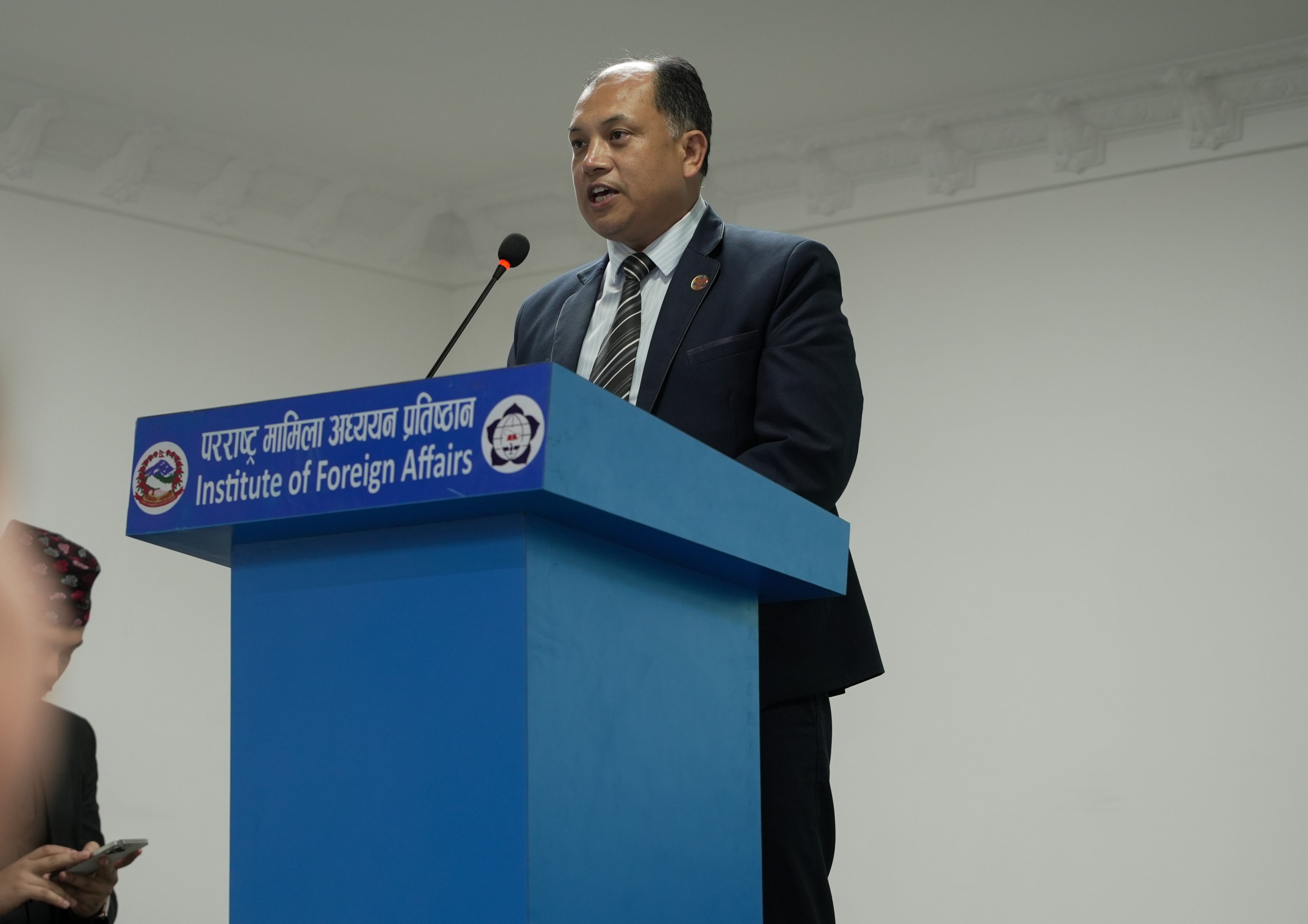
The orientation program was also addressed by Ms. Elsa Calley, Chargé d’Affaires at the French Embassy in Kathmandu, and Ms. Anne-Laure Petit, Academic Director of Alliance Française de Katmandu.
In its first phase, IFA’s Diplomatic Language Training Program will introduce courses in Chinese, French and Arabic. The Chinese course will be conducted in collaboration with CI@TU, while the French course will be offered with the support of Alliance Française de Katmandu.
According to IFA, the initiative forms part of a broader effort to integrate foreign language training into Nepal’s diplomatic education system. Through this collaboration, CI@TU will contribute to enhancing the Chinese language proficiency, intercultural understanding and professional capacity of Nepal’s diplomats and foreign ministry officials.