Confucius Institute
Tribhuvan UniversityKirtipur, Kathmandu
Kirtipur, Kathmandu
The Chinese Language Classes at Khwopa Engineering College and Khwopa College of Engineering jointly organized a vibrant Chinese New Year (Spring Festival) celebration on Sunday, February 22, 2026, marking the occasion through cultural performances, speeches, and active student participation. The Chinese language classes are conducted at both institutions in cooperation with the Confucius Institute at Tribhuvan University (CI@TU), reflecting the growing academic and cultural engagement between Nepal and China.
Several distinguished academic leaders addressed the gathering and extended their best wishes.
Dr. Bal Ram Duwal, Director of the Confucius Institute at Tribhuvan University, spoke on the significance of the Spring Festival and emphasized the importance of integrating modern technologies in celebrating traditional festivals, as seen in contemporary Chinese cultural practices.
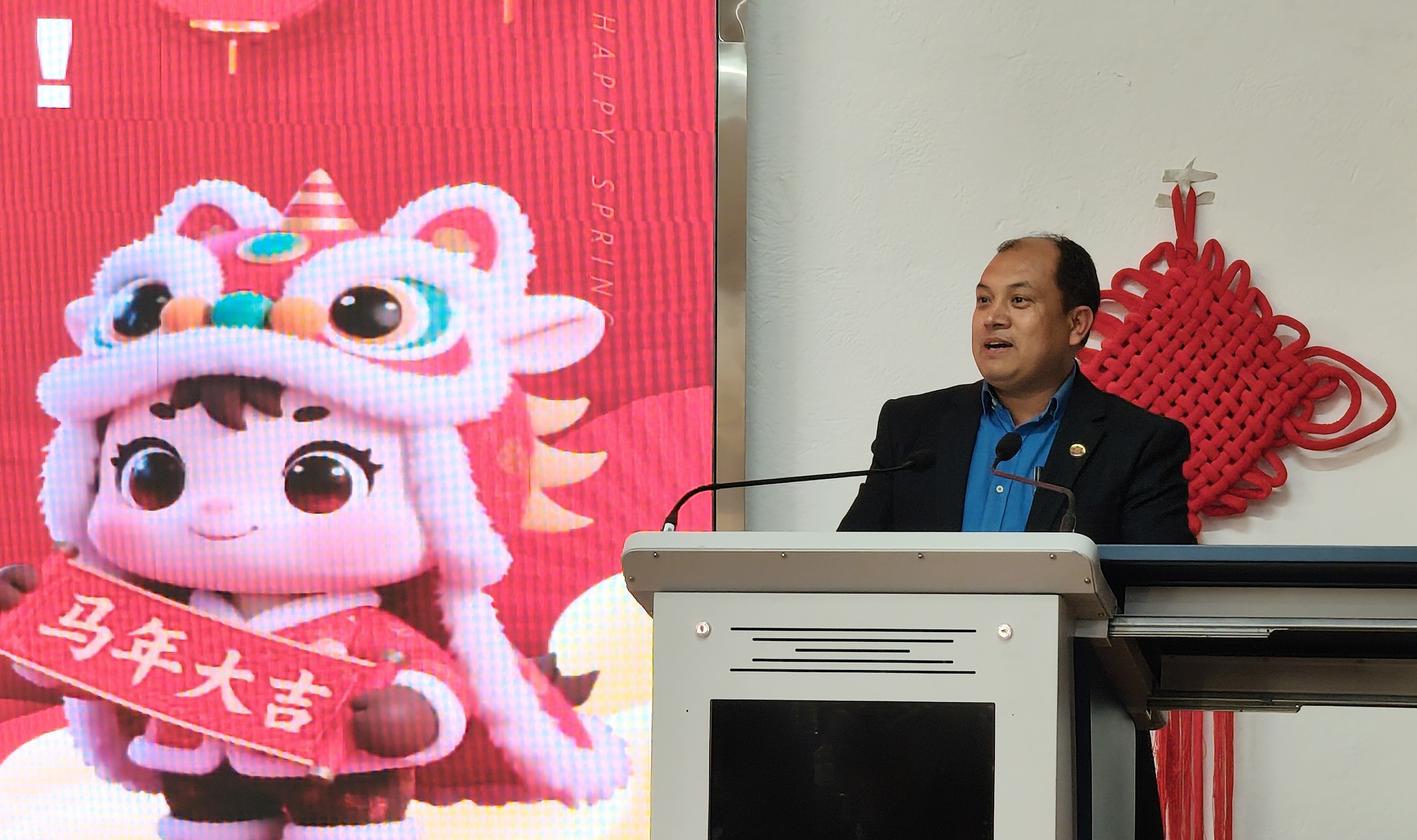
Speaking on the occasion, Chinese language teacher Rajendra Chawal highlighted the cultural and educational importance of learning Chinese in today’s interconnected world. He emphasized that language learning serves as a bridge between civilizations and enhances mutual understanding between Nepal and China.
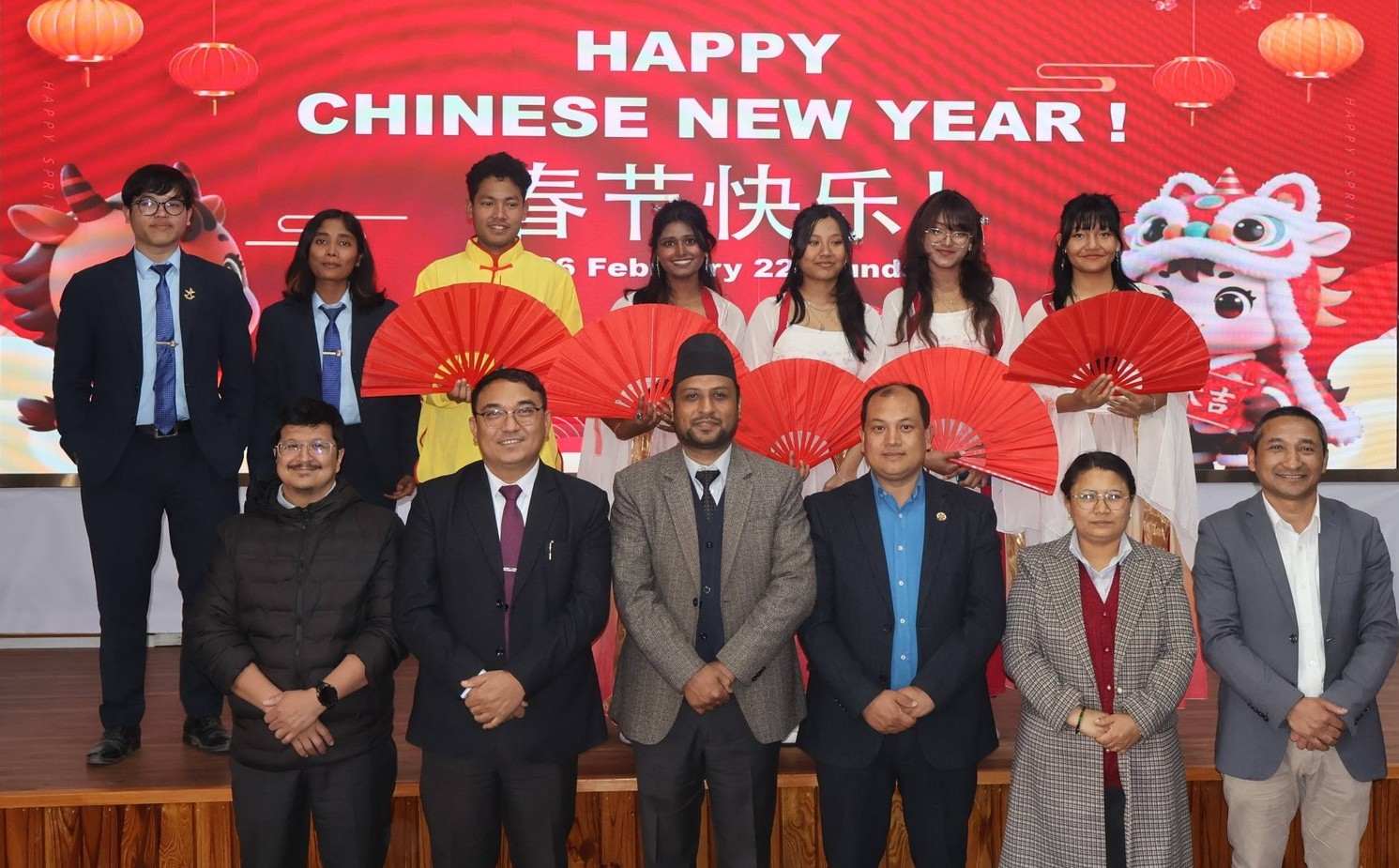
Among the speakers were Ratnashova Prajapati, Vice Principal of Khwopa College of Engineering, and Sunil Duwal, Principal of Khwopa College of Engineering. They emphasized the importance of cultural exchange and language education in strengthening Nepal–China relations.
The speakers noted that Chinese language education is becoming increasingly valuable for Nepali students, offering academic, professional, and cultural opportunities in an increasingly interconnected and globalized world.
The program was hosted by students Rinchen Lama and Chanda Gupta. The event began with a welcome address by Isha Prajapati from the Chinese language class (Civil Group), followed by an introductory audio-visual presentation explaining the history, traditions, and global significance of the Chinese New Year.
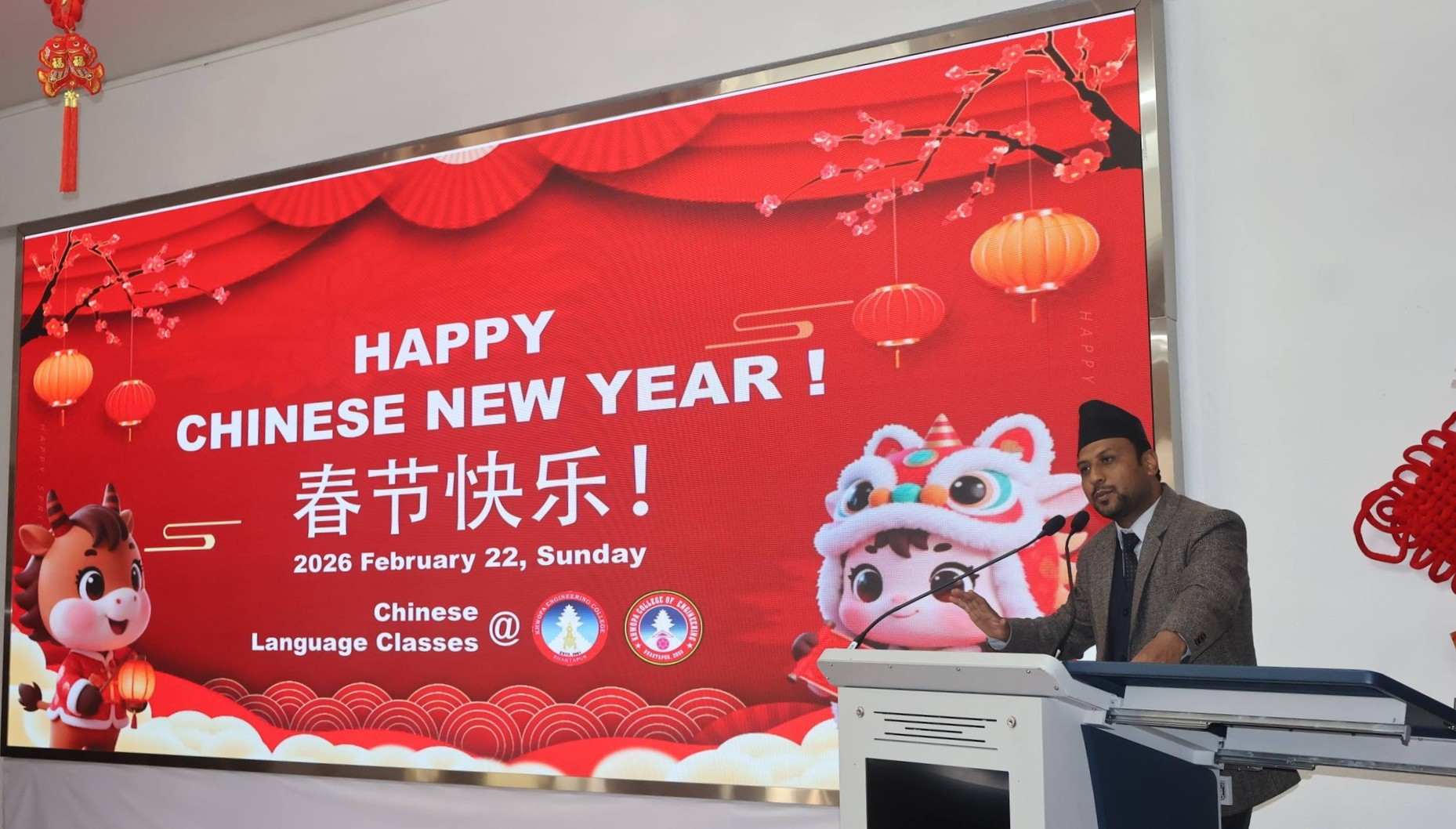
The celebration featured a series of cultural performances by students from the Chinese language classes of both colleges. These included traditional Chinese fan dances, Chinese songs, and a Nepali poetry recital, reflecting a harmonious blend of the two cultures. The performances received enthusiastic appreciation from students, faculty members, and invited guests.
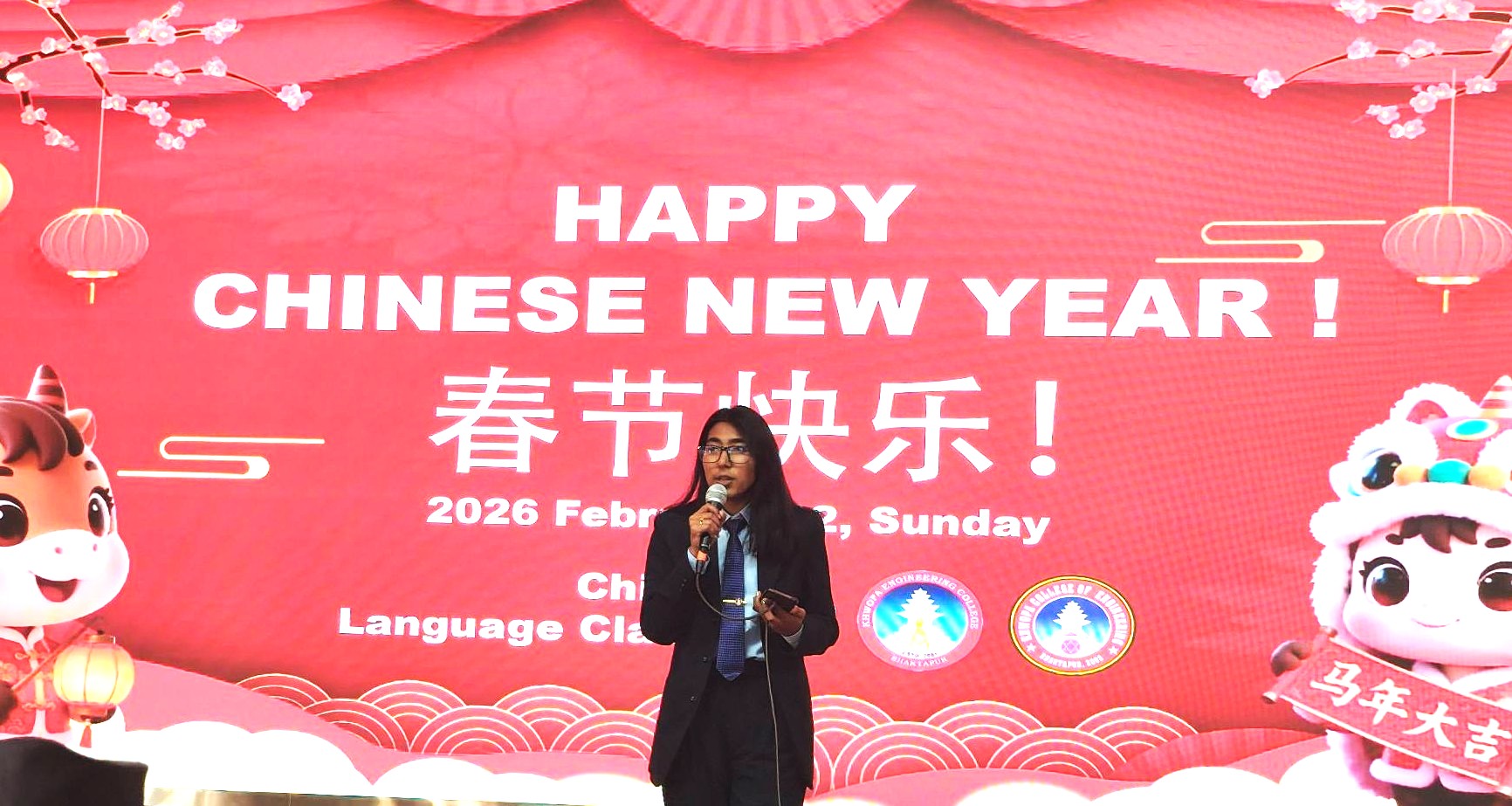
The program concluded with closing remarks by Sujan Mak, Principal of Khwopa Engineering College, who appreciated the efforts of the students, teachers, and organizers. He expressed hope that such cultural and academic initiatives would continue to promote international understanding and educational cooperation.
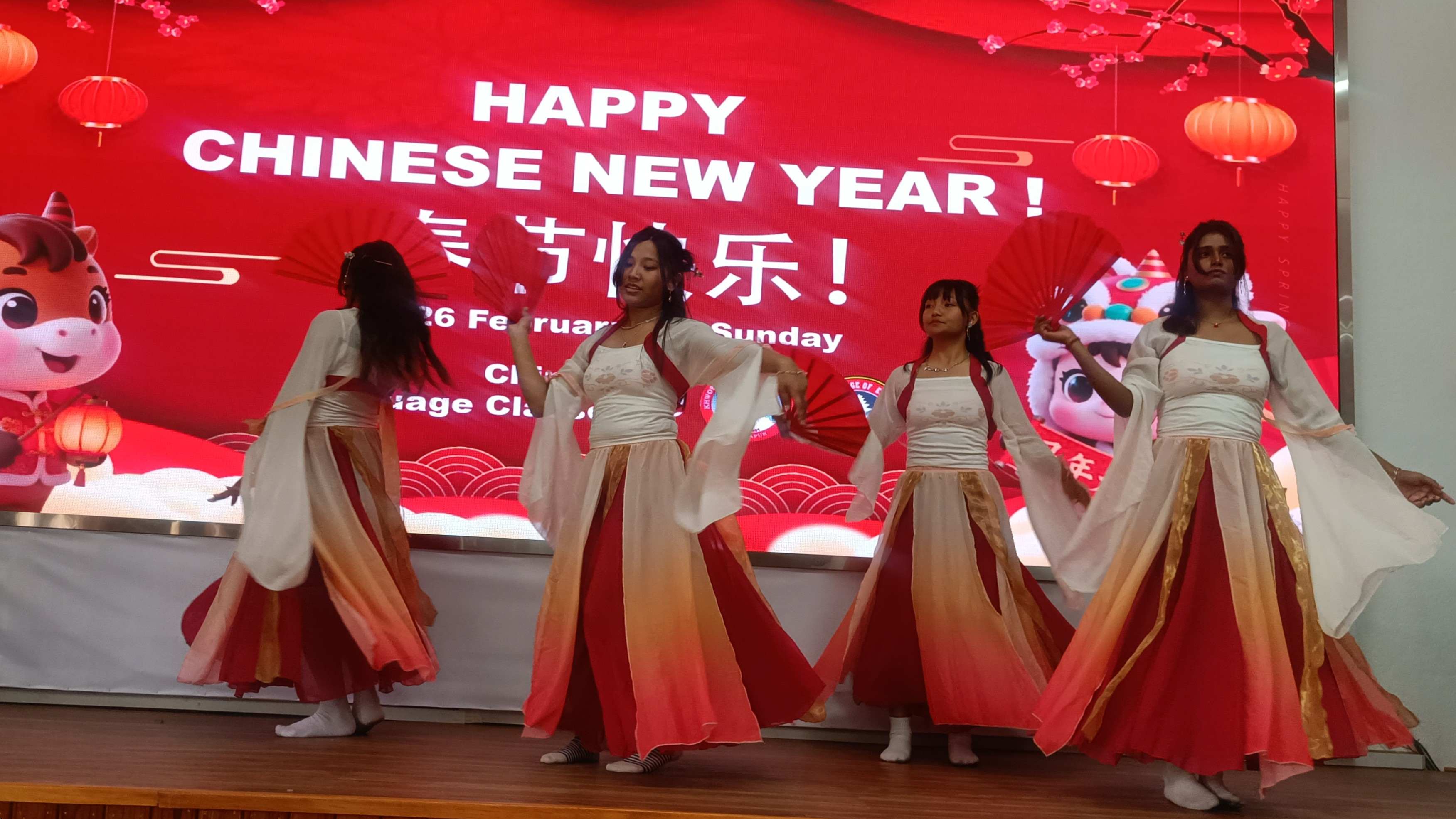
The celebration not only marked the arrival of the Chinese New Year but also symbolized the deepening educational and cultural ties between Nepal and China, particularly at the student and institutional levels.