Confucius Institute
Tribhuvan UniversityKirtipur, Kathmandu
Kirtipur, Kathmandu
The Confucius Institute at Tribhuvan University (CI@TU), in association with the China Culture Center and Laboratory Secondary School, Kirtipur, hosted a delightful celebration of the 2026 Spring Festival (Chinese Lunar New Year) on February 13 at Kirtipur, Kathmandu. Under the theme “Galloping into a New Journey, Embracing Mountains and Rivers,” the celebration attracted around 300 guests, teachers, and students from various teaching centers of Tribhuvan University and related institutions.
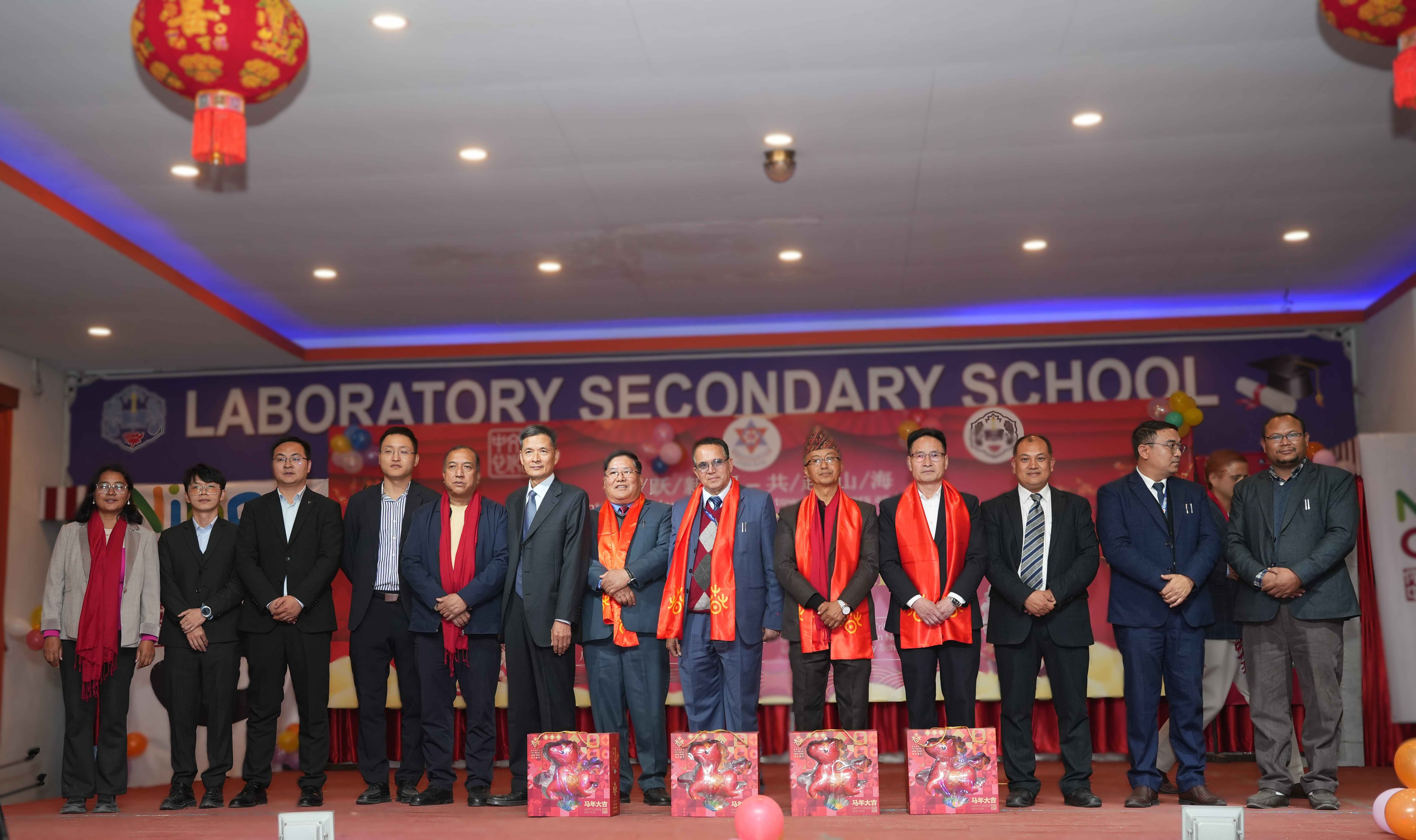
Distinguished guests attending the event included Mr. Krishna Man Dangol, Mayor of Kirtipur; Prof. Dr. Bamdev Adhikari, Dean of the Faculty of Humanities and Social Sciences at Tribhuvan University; Mr. Liu Zhanping, Director of the China Culture Center; Mr. Jin Xiaodong, President of the Overseas Chinese Association of Nepal; Mr. Li Shuangcheng, Chinese Director of Confucius Institute at Kathmandu University; President of Araniko Society Dr. Sushil Prajapati, President of Nepal China Cultural and Educational Council Dr. Harish Chandra Shah, President of Devkota-LuXun Academy Mr. Sunil Kumar Poudyal; Mrs. Zhang Yue, Chief correspondent of China Media group of New Delhi and Kathmandu Bureu, Mr. Dhruba Paudel Chairman of Nepal Samaj Media Pvt. Ltd., Mr. Lakpa Sherpa, Principal of Laboratory Secondary School; and Dr. Bal Ram Duwal, Nepali Director of the Confucius Institute at Tribhuvan University.
The celebration officially commenced with the national anthems of Nepal and the People’s Republic of China. This was followed by the introduction of distinguished guests and a khada presentation ceremony, during which Dr. Bal Ram Duwal presented traditional khadas to the honored guests as a gesture of warm welcome and goodwill.
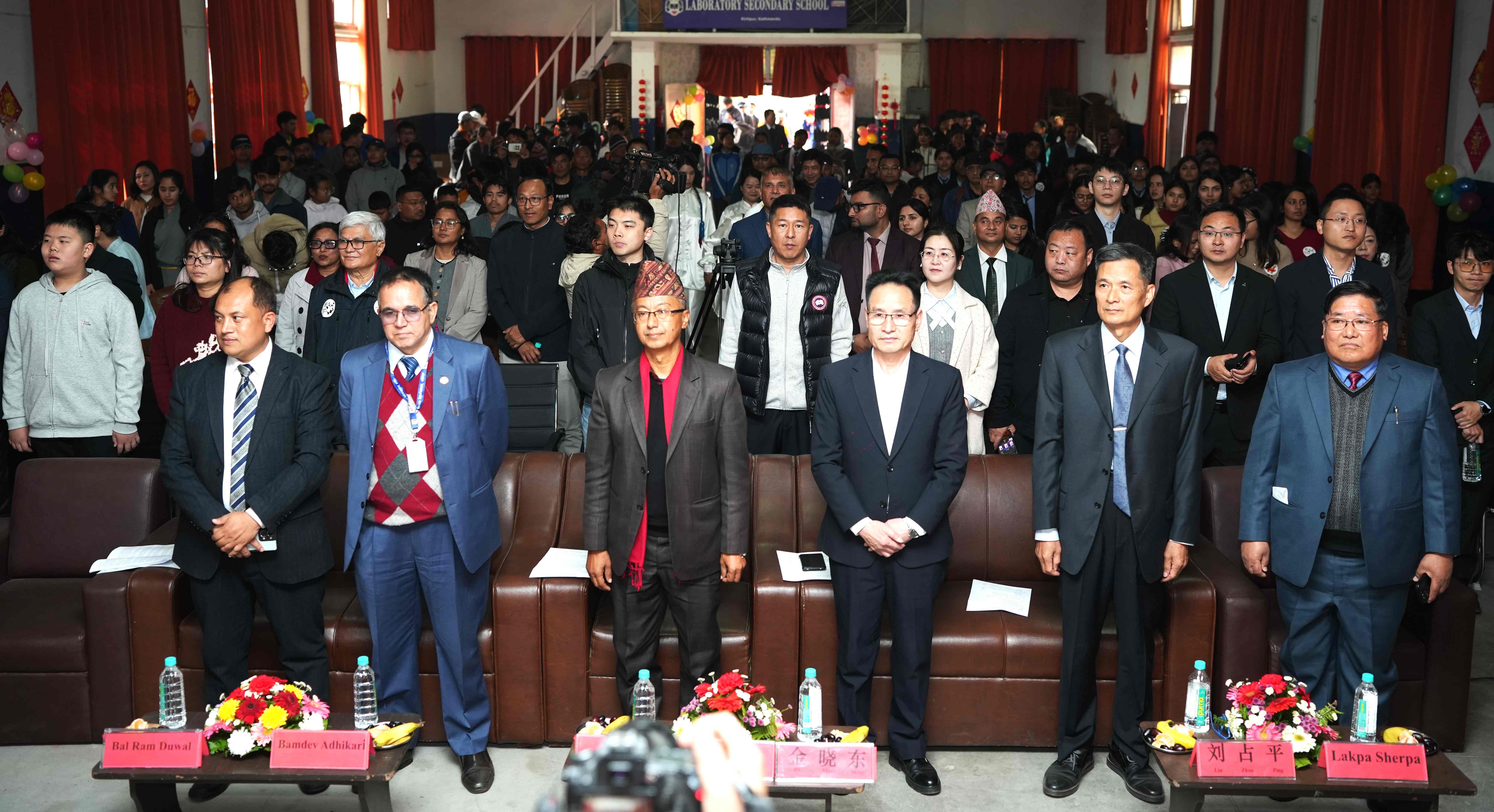
In his welcome remarks, Mr. Lakpa Sherpa expressed the school’s honor in hosting the event and emphasized the importance of cultural exchange in enhancing students’ understanding of diverse civilizations.
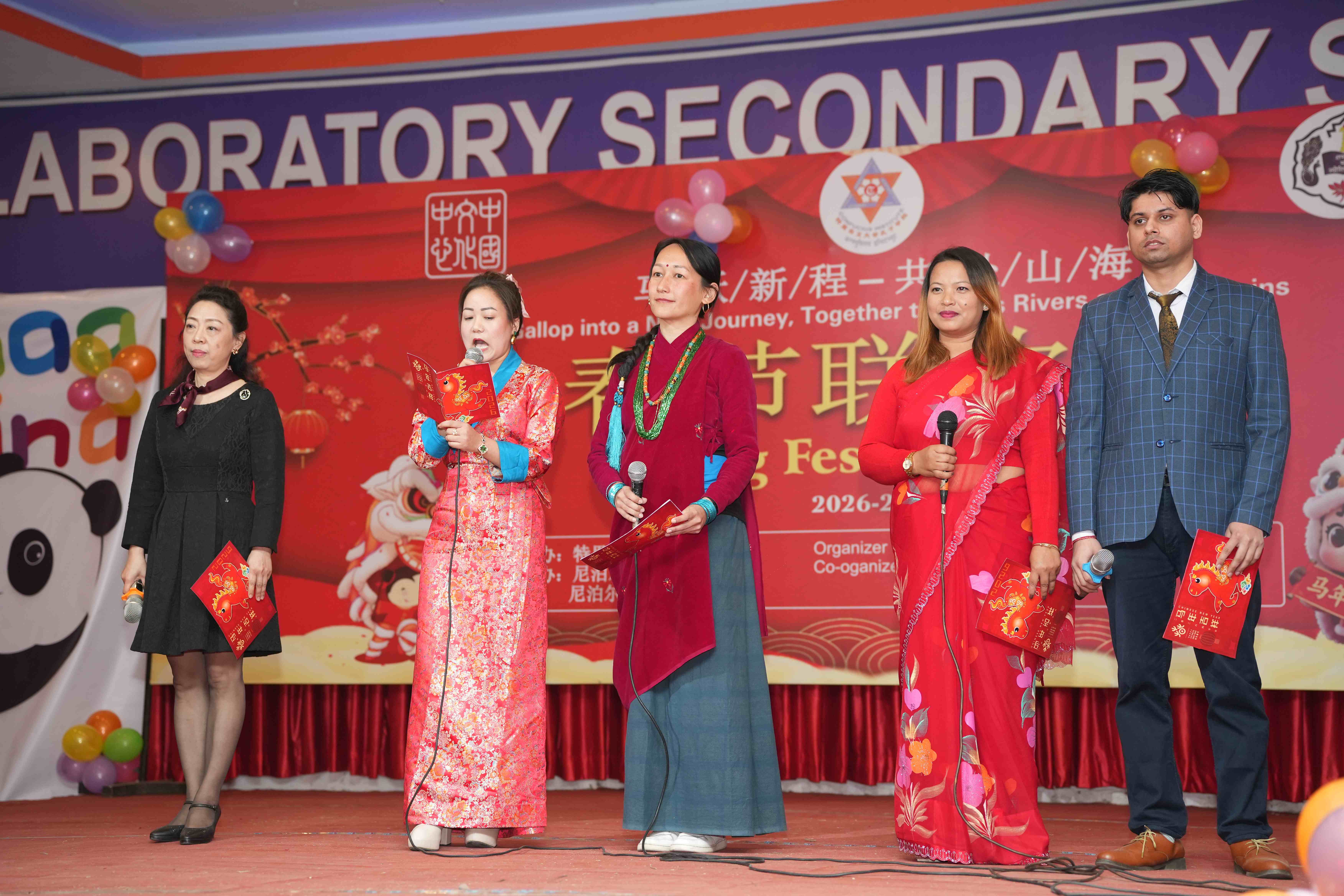
Speaking as Chief Guest, Mayor Krishna Man Dangol emphasized that local-level exchanges and cooperation inject warmth and vitality into bilateral relations and expressed his hope for strengthened collaboration in education and cultural fields. Prof. Dr. Bamdev Adhikari greeted the audience in Chinese with “Happy Spring Festival” and highlighted the significant role of language and cultural exchange in strengthening Nepal–China friendship. Director Liu Zhanping noted that the Spring Festival is not only the most important traditional festival in China but also a vital cultural bridge connecting people’s hearts.
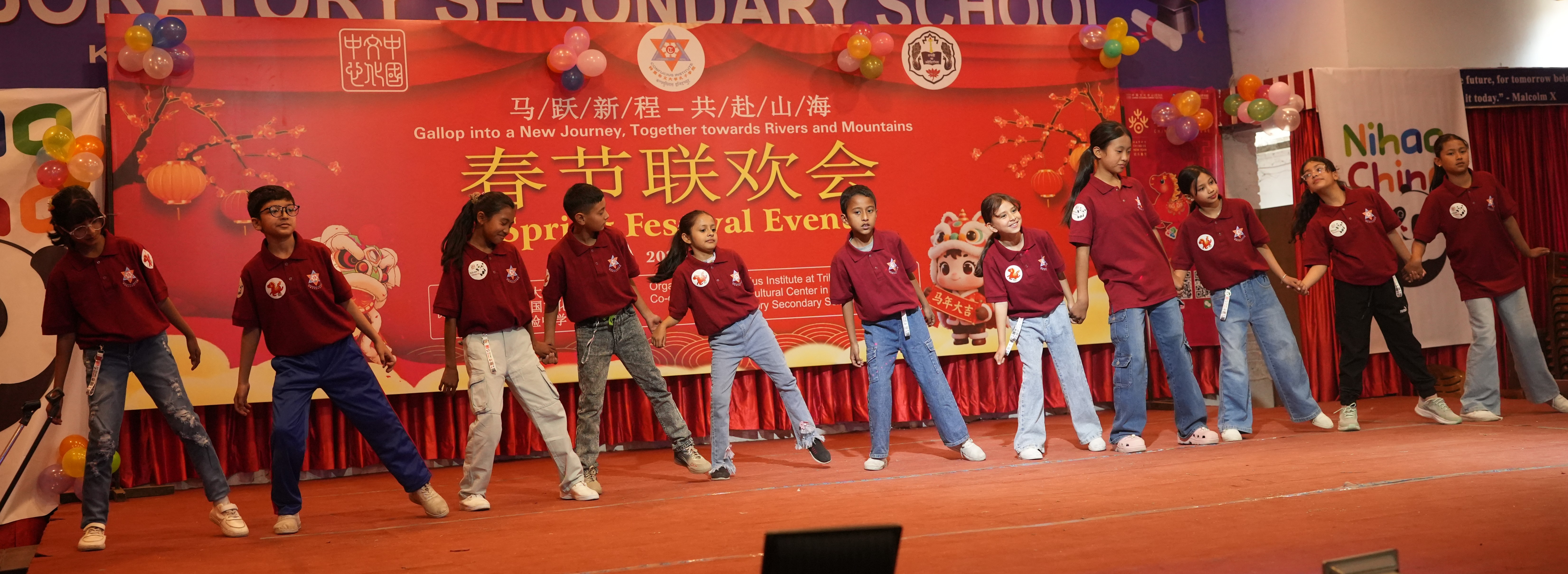
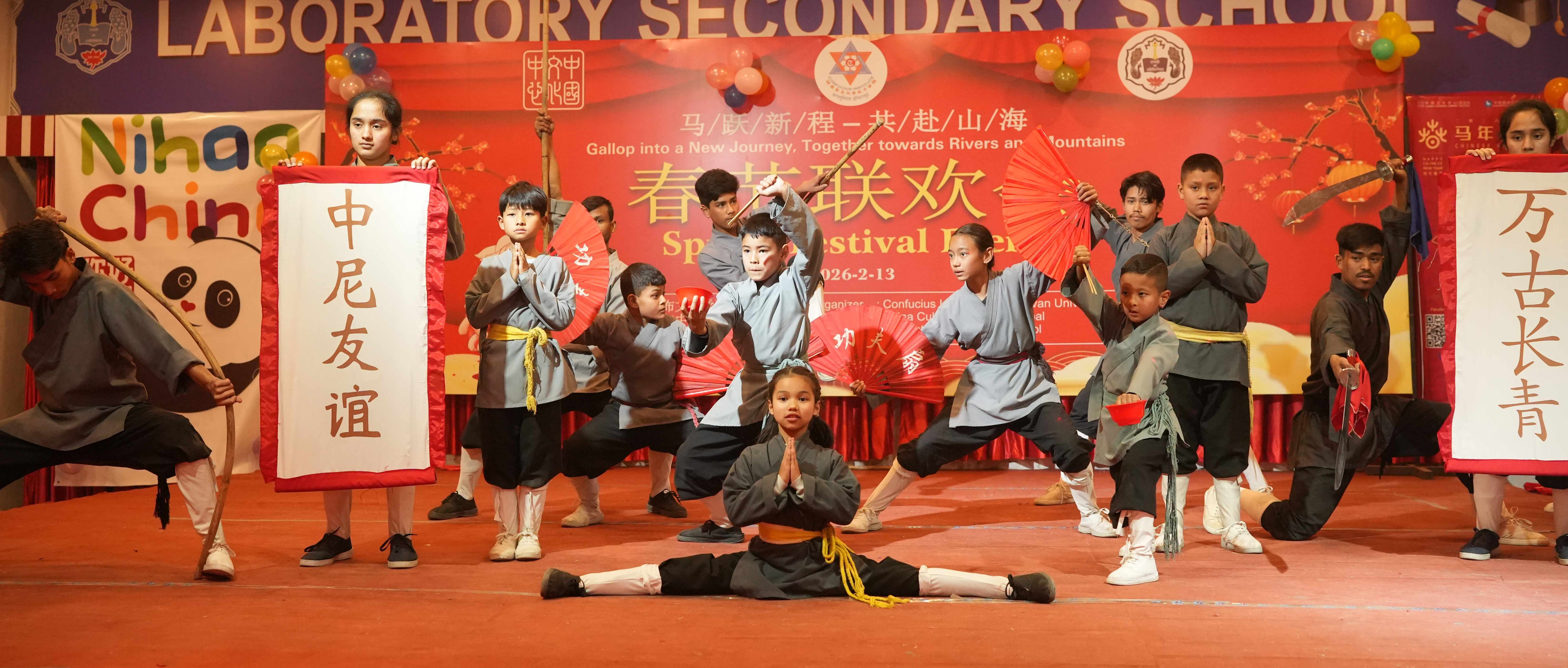
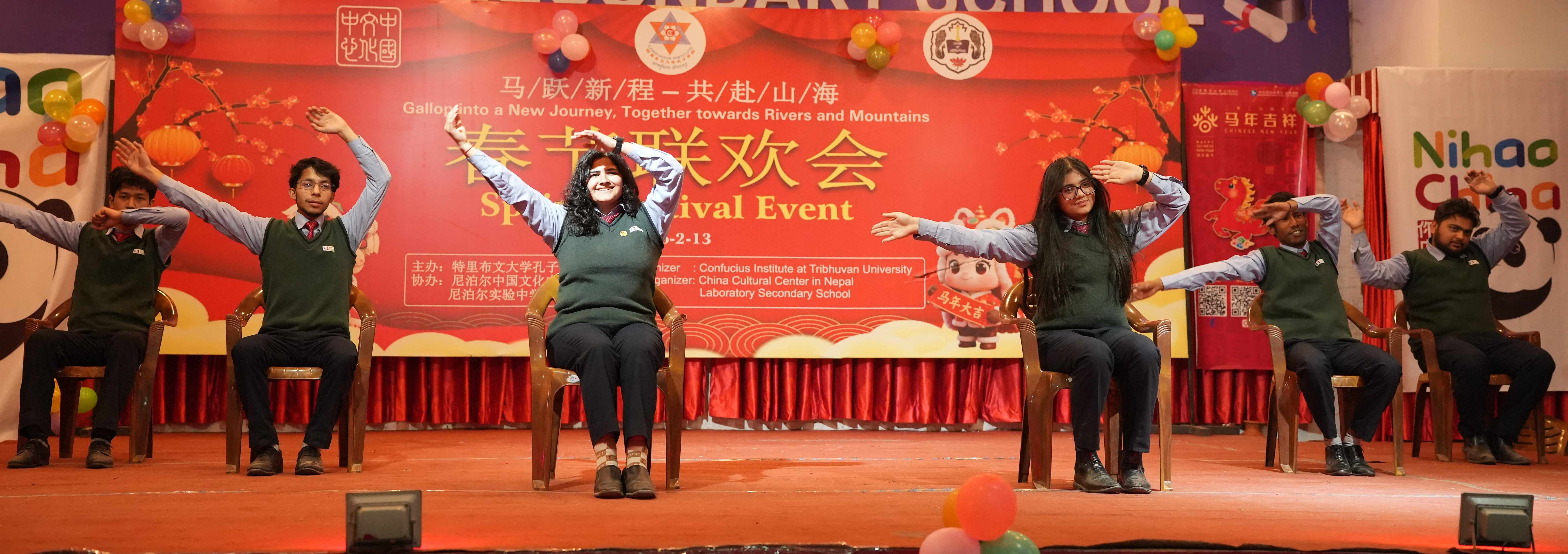
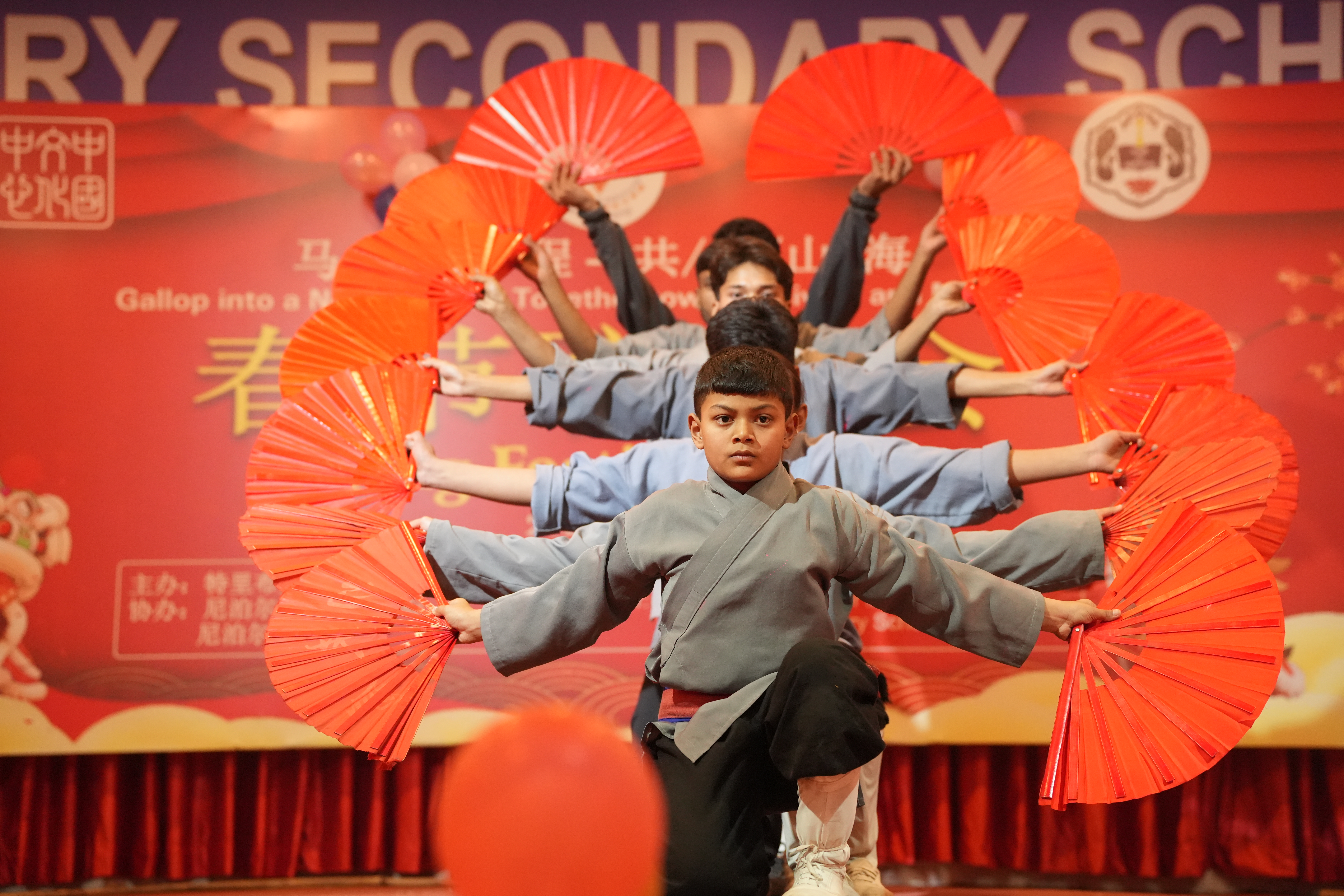
The cultural performances were vibrant and diverse. Students from Laboratory Secondary School presented dance performances including “Sending the Bright Moon,” “Little Apple,” and “Happy New Year,” showcasing youthful energy combined with elements of Chinese culture. Graduate students from the School of Management and the Department of Library and Information Science at Tribhuvan University performed the classical Chinese dances “Misty Rain on the River” and “Jasmine Flower,” reflecting the elegance of traditional Eastern art. Students from New Summit College presented the lively group desk dance “Confidence, Gratitude, and New Year Greetings,” bringing the celebration to an enthusiastic conclusion. Performances of “Tai Chi – Eight Methods and Five Steps” and Shaolin Kung Fu by the China Culture Center blended strength and grace, elevating the atmosphere to a climax. A poetry recitation of “New Spring” by the China Culture Center added a lyrical touch to the celebration, beautifully expressing the spirit of renewal, reunion, and hope embodied in the Spring Festival tradition.
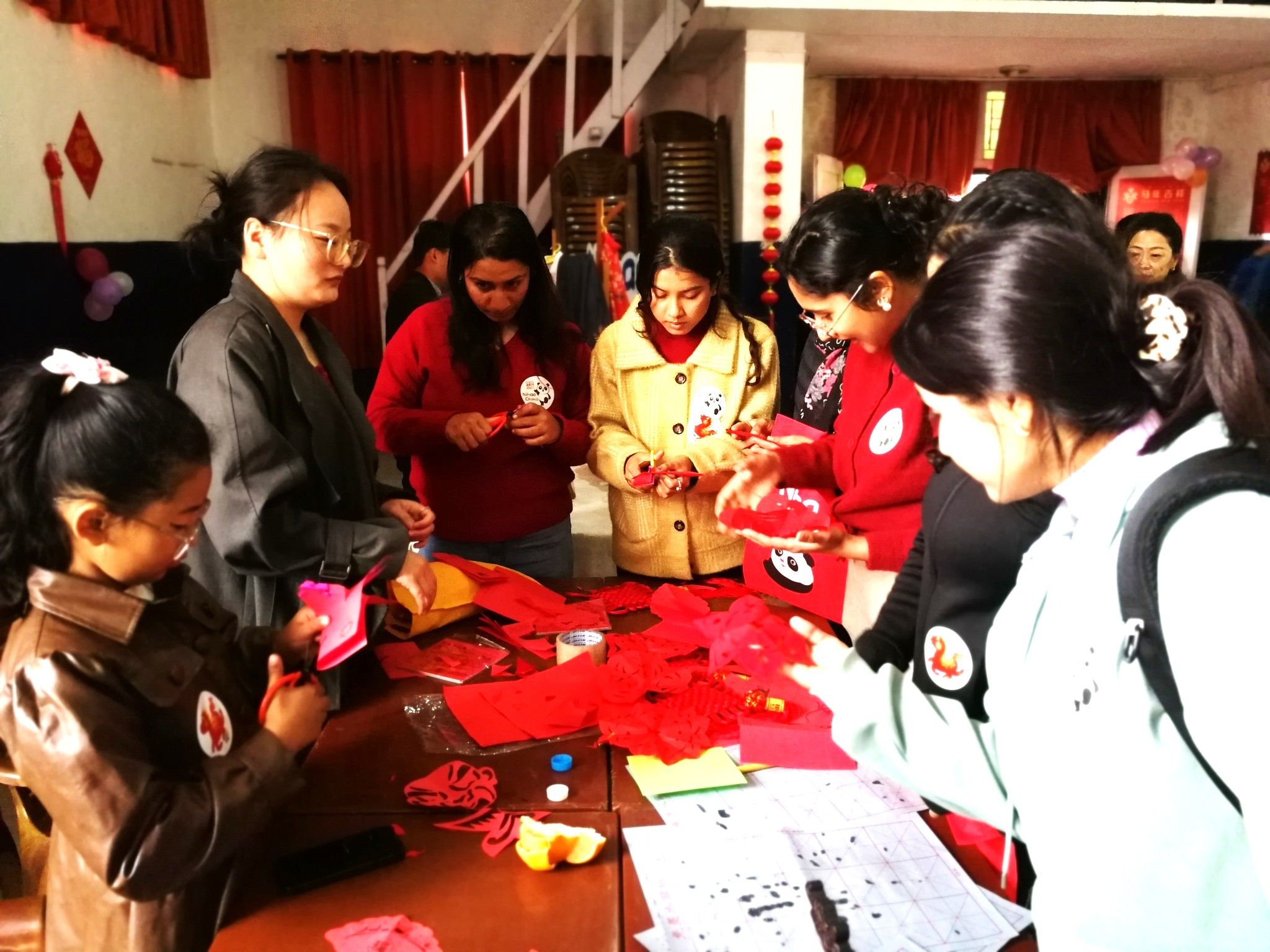
To add on to the festivity, a Chinese Cultural Exhibition Area was also set up at the venue, featuring displays of Chinese cultural books, a “Hello China” tourism promotion booth, tea art experiences, traditional costume (Hanfu) exhibitions with photo opportunities, Chinese calligraphy demonstrations, and cultural creative products. These activities attracted broad participation and further strengthened people-to-people ties between Nepal and China.
During the vote of thanks, Dr. Duwal noted that the Confucius Institute currently provides Chinese language education to nearly 500 students through 14 teaching centers and has expanded HSK testing services to Pokhara. He expressed gratitude to all partners and supporters for their continued assistance and reaffirmed the Institute’s commitment to deepening language education and cultural exchange cooperation.
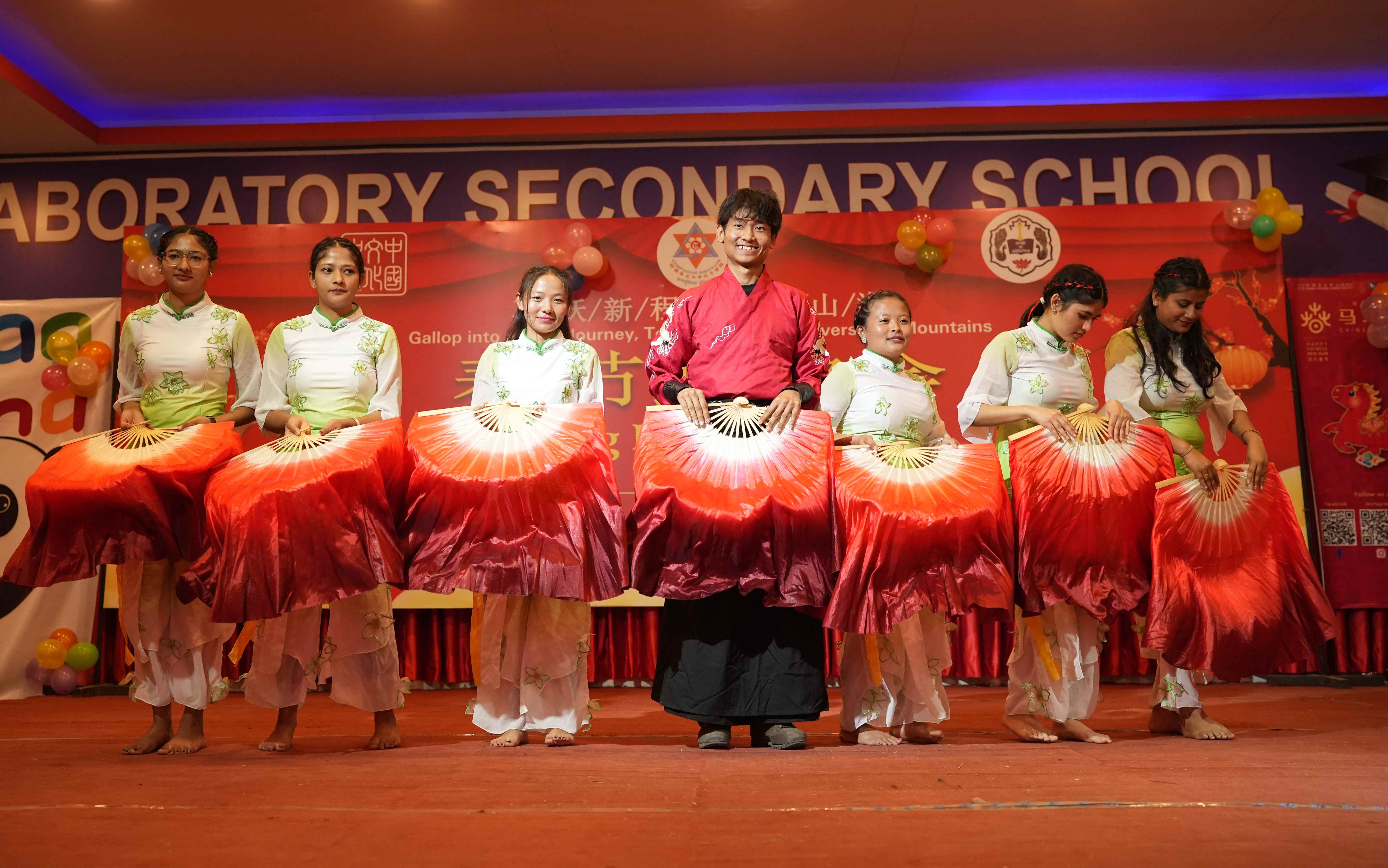
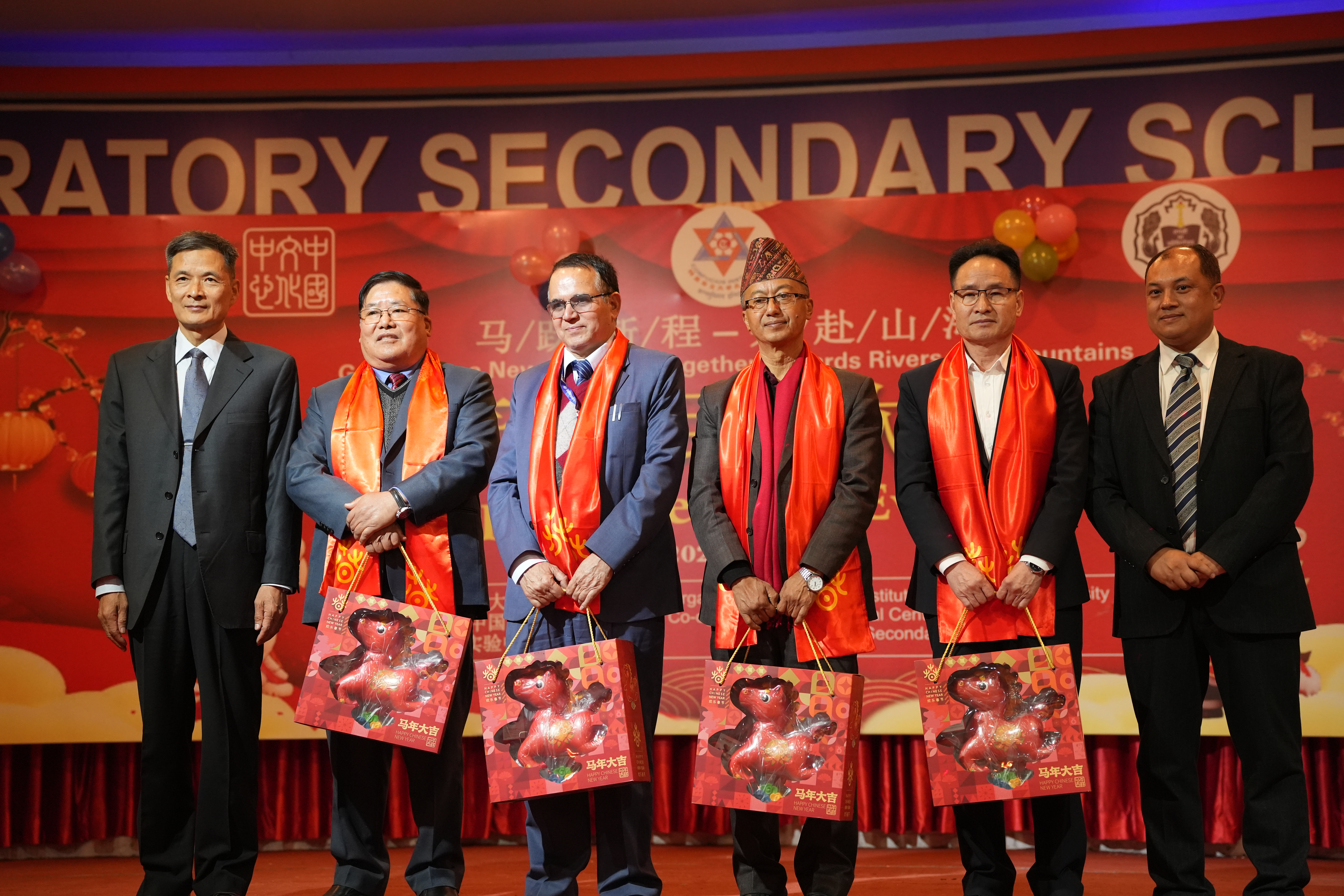
The event concluded with a souvenir presentation ceremony and a group photo session. Director Liu Zhanping and Dr. Bal Ram Duwal jointly presented commemorative gifts to the distinguished guests. Participants took group photos in a warm and festive atmosphere.
The celebration not only showcased the richness of Chinese culture but also highlighted the enduring friendship between the peoples of Nepal and China. In the year ahead, the Confucius Institute at Tribhuvan University will continue working with its partners to deepen cultural cooperation and promote people-to-people exchanges between the two countries.